SailGP season leaders, Bonds Flying Roos have won USD $2,720,000 to date and are on course to win a further USD $3,200,000, taking their total season prize money to just under USD $6 million.
With two events left to go, the Australians have the chance to win a further USD $3,200,000, taking their total season prize money to just under USD $6 million after the final two events in the UAE in November.
Diego Botin’s Los Gallos in second place have also had a stellar season in terms of prize money – picking up a total of USD $2,160,000 so far, despite missing two events due to equipment failure.
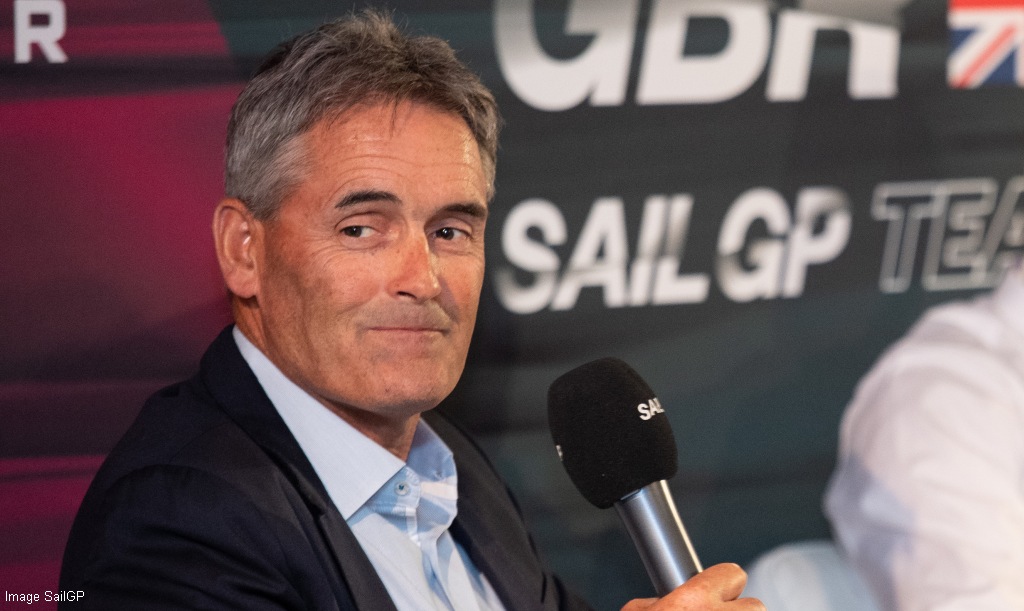
SailGP CEO Russell Coutts expects the league’s total prize money pot to increase as league revenues and the number of events grow. “It’s going to become an even greater carrot for the future top performing athletes in the sport.”
Reflecting on the recent Geneva event Coutts criticized the teams lack of lack of crew depth which could be a significant risk for SailGP teams which haven’t yet trained and licensed suitable back-up athletes.
This was a reference to the American team having to draft in former Brazil driver Martine Grael at the eleventh hour to helm for them, after Taylor Canfield was injured and reserve driver Harry Melges was also injured (broken foot) and unable to compete.
It later turned out that Melges wasn’t licensed and would therefore have needed to achieve at least a provisional license to compete at a SailGP event, even if fully fit.
“Taylor Canfield’s injury was a clear red flag to the teams that they must get more prepared with their back-up squads,” Coutts said, “It was fortunate the Brazilians were also making changes and Martine was available to step in – although she had only a few days to be introduced to the team and become familiar with their playbook, which was far from ideal.”
The United States aren’t the only team to lack back ups to their key roles. There are four other teams without a provisionally licensed back-up driver: the U.S., Explora Journeys Swiss, D.S. Automobiles France and Germany Deutsche Bank. All other teams have back up provisionally licensed drivers.

“Some teams have been working on their backup plans for driver, wing trimmer and flight controller in particular – it’s a big focus for all teams for the rest of this season and next so they’re ready to compete should one of their key athletes become sick or injured,” Coutts said.
This development, he said, is ‘the start of a new world’ of private ownership and a more professional approach to team management.
“Now that most teams have got major sponsorship and professional investors, the expectation is that they should be ready to race and covered for all eventualities by building up their squads. We shouldn’t be seeing top athletes in their late forties or early fifties racing on these boats. You’d never see that in Formula 1 or most other professional sports.”
Coutts also pointed to the ambitious growth plans of the [SailGP] league, which could see a calendar of 20+ events in one season alone. “The same athletes may not be able to compete at their best across that number of events. They may need to be rested at certain stages of the season to remain fresh for the big races towards the end of the season.”

In addition a number of top sailors are now competing for both SailGP and America’s Cup teams, leading to more chance of injury and possible conflict of interest . . . Although Melges did not compete in the SailGP Geneva event, he did compete in the America’s Cup AC40 preliminary shortly afterwards.
Coutts highlighted the opening of SailGP’s first long-term training base at the American Magic Performance and Innovation Center in Pensacola which, adding that it would be a big factor in the training of new athletes.
The base, which will become operational later this month, will offer teams the chance to test and train outside of race weekends for the first time.